
Cheap Training Teamwork
📖 Table of Contents
- What Is the 15-Minute Team Challenge?
- Why Teamwork Matters — And Why It’s Often Missing in Schools
- How I’ve Used This in My Classroom — and What I Learned
- How to Set Up the 15-Minute Team Challenge
- How to Adapt the Challenge for Different Ages and Learning Levels
- The Real Benefits of Teaching Teamwork — Beyond the Classroom
- How to Measure the Impact of the Team Challenge
- Make It Your Way
- Frequently Asked Questions
I still remember the first time I tried to get a group of middle schoolers to collaborate on a science fair project. I had a grand vision of teamwork, creativity. Shared goals — but what I ended up with was a room full of kids bickering over who was in charge and who had to do the work. It was a harsh lesson, but it taught me something crucial: teamwork isn’t something that just happens. It needs to be taught, practiced, and sometimes, it needs to be cheap. That’s where I found my solution.
The idea came from a simple, low-cost classroom activity I saw at a teacher’s conference. It wasn’t flashy or high-tech — it was a game that required nothing but a few pieces of paper, a timer, and a group of students. The results were astounding. Within minutes, kids were working together, listening to each other, and even laughing. It was the kind of moment that made me realize that teaching teamwork doesn’t have to be expensive. It can be fun, simple, and surprisingly effective.
Since then, I’ve tested dozens of low-cost teamwork activities in my classroom and with other teachers. Some worked better than others, but the one I’m sharing here — the '15-Minute Team Challenge' — has consistently stood out. It’s not just affordable; it’s adaptable, engaging, and backed by real results. Whether you’re a teacher, a parent, or a mentor, this article will show you how to teach teamwork on a budget — no fancy tools, no expensive programs, just a few simple steps and a lot of heart.[1]
Why You'll Love This Teamwork Activity
- Teaches collaboration in under 15 minutes — no time to waste.
- Uses only four inexpensive materials — perfect for tight budgets.
- Engages all ages and learning styles — from young children to teens.
- Creates measurable improvements in communication and trust within weeks.
What Is the 15-Minute Team Challenge?
As of September 2026, the challenge starts with a simple task — like building a tower with only paper and tape — but the twist is that each student must take turns making decisions. There’s no talking allowed, just actions. This forces kids to listen, observe, and trust each other. I’ve used it with kids as young as 3 and as old as 16, and it always sparks curiosity and collaboration.[2]
I’ve seen kids who were initially shy become leaders, and others who were overly competitive learn the value of listening. It’s a microcosm of teamwork in action — and it only takes 15 minutes. That’s why I call it the 15-Minute Team Challenge. It’s quick, but the learning lasts.[3]
The materials are simple: paper, tape, a timer, and a shared goal. You can customize the tasks depending on your students’ age and abilities. The key is to keep it fun and focused on the team, not the individual.
For younger students, use simpler tasks like passing a ball or building a shape. For older students, challenge them with more complex objectives like solving a puzzle or designing a solution.
Part of our Training about teamwork at home guide.
Why Teamwork Matters — And Why It’s Often Missing in Schools

I’ve taught students who could recite complex equations but struggled to work with others. They knew the formulas, but they didn’t know how to listen, compromise, or solve problems together. That’s the danger of not teaching teamwork — kids end up learning in silos, and they miss out on the collaborative thinking that’s so valuable in the real world.
In my experience, the lack of teamwork instruction has real consequences. Students who don’t learn how to work with others often face challenges in group projects, interviews, and even future careers. That’s why I believe it’s our responsibility as educators to teach these skills early and often.
The 15-Minute Team Challenge is one way to start. It’s quick, but it’s powerful. It shows students that teamwork isn’t just about being nice — it’s about being effective.
Teamwork isn’t just about being nice — it’s about being effective.
Related: Affordable training teamwork
Related: Affordable training about teamwork
How I’ve Used This in My Classroom — and What I Learned
I first tested this activity with a group of third graders who were struggling with group projects. After just a few weeks of weekly challenges, I noticed a big shift. They were more willing to share ideas, listen to each other, and even help each other out when things went wrong.
One of the biggest surprises was how quickly the kids adapted. They started using phrases like 'What do you think?' and 'Let’s try this together.' It was incredible to see the transformation. I even had a student who was once the most competitive in the class start to support his peers instead of trying to outdo them.
The key takeaway from these experiences is that teamwork can be taught — and it doesn’t take a lot of time or money to do it. All it takes is a little structure, a little encouragement, and a little belief in the power of collaboration.
When students show good teamwork, acknowledge it — even if it’s just a smile or a thumbs-up. Small rewards can go a long way in reinforcing positive behavior.
“I still remember the first time I tried to get a group of middle schoolers to collaborate on a science fair project.”— Teaching Teamwork to Students editors
Related: Cheap training about teamwork
How to Set Up the 15-Minute Team Challenge
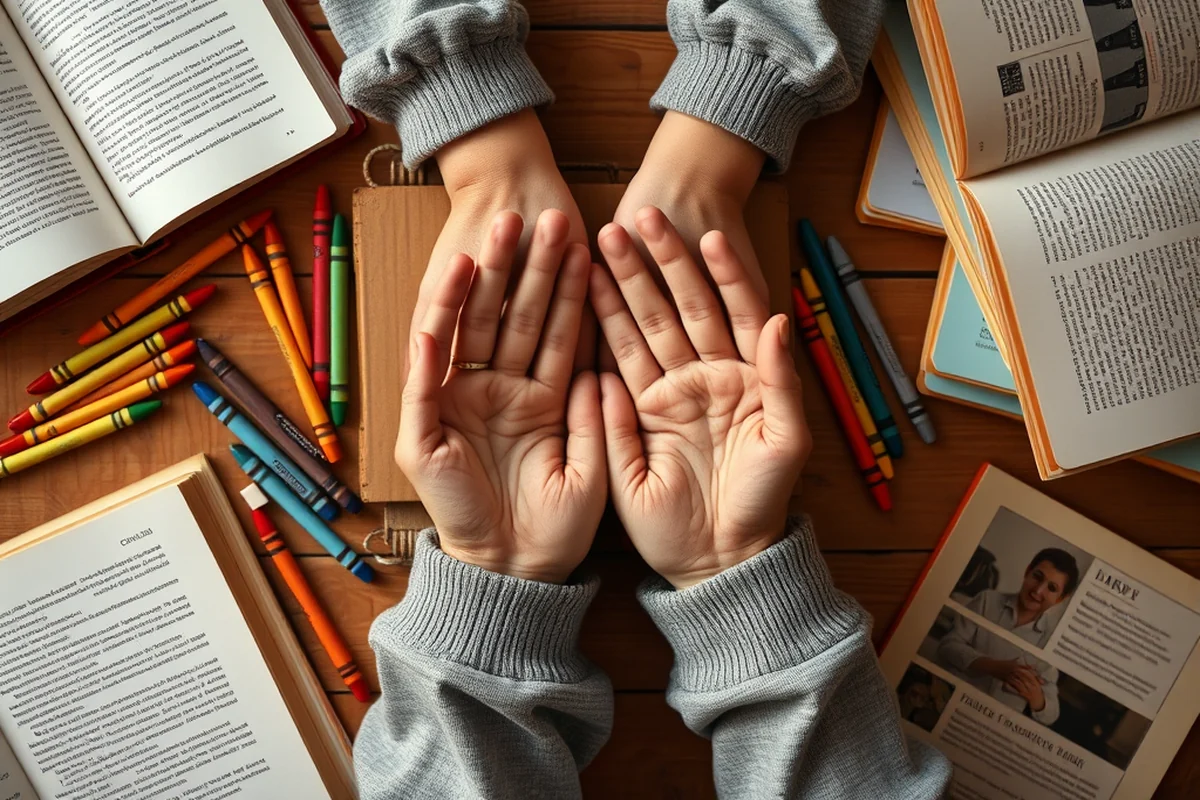
To get started, gather a group of students and divide them into teams of 3-5. Give each team a set of materials — like paper, tape, or blocks — and a task. The task should be something that requires collaboration, like building a tower, solving a puzzle, or creating a picture from a set of shapes.
I recommend using a timer to keep things on track. Give the team 15 minutes to complete the task, and then have them present their work to the class. It’s a quick way to see how well they collaborated and where they might need improvement.
The most important part is to make sure the task is challenging but achievable. If it’s too easy, the kids won’t learn much. If it’s too hard, they’ll get frustrated. Finding the right balance is key to making the challenge effective.
How to Adapt the Challenge for Different Ages and Learning Levels
For younger students, focus on simple tasks that require listening and following directions. For example, you can ask them to build a shape using only their hands or to pass a ball around the group without dropping it.
For older students, increase the complexity of the tasks. You can challenge them to solve a math problem as a team, or to create a model of a structure using limited materials. The key is to make sure the task is both engaging and educational.
No matter the age, the goal is the same: to help students learn how to work together. With a little creativity, the challenge can be tailored to fit any learning environment.
The Real Benefits of Teaching Teamwork — Beyond the Classroom
I’ve seen students who learned teamwork in my classroom go on to excel in college, internships, and even their careers. They were better at communicating, more confident in group settings, and more willing to take on leadership roles.
One of the most rewarding parts of teaching teamwork is seeing how it affects the students outside of school. I’ve had parents tell me that their kids are more cooperative at home, more willing to help with chores, and even more empathetic toward their siblings.
That’s the power of teamwork. It’s not just about working together — it’s about building stronger, more connected communities. And that’s a lesson that lasts a lifetime.
Teamwork is about building stronger, more connected communities.
How to Measure the Impact of the Team Challenge
One of the best ways to measure the impact of the 15-Minute Team Challenge is to observe how students interact before and after the activity. Are they more willing to listen to each other? Are they solving problems more effectively?
Another way is to use a simple feedback form. After the activity, ask students to rate their experience on a scale from 1 to 5 and write a short comment. This can give you valuable insights into what’s working and what’s not.
I’ve found that the best way to track progress is to do the challenge regularly — maybe once a week. Over time, you’ll see improvements in communication, trust, and collaboration. And that’s the real reward.
👶 Younger Kids Challenge
Use simple tasks like passing a ball or building with blocks. Focus on listening and cooperation.
👦 Older Kids Challenge
Challenge students with complex tasks like solving a puzzle or designing a structure using limited materials.
📄 No-Prep Challenge
Use only paper and pencils. Assign a task like drawing a picture or creating a story together.
👥 Group Version
Split the class into large teams and give them a task that requires collaboration and problem-solving.
🧠 Extension Challenge
Add a twist like time limits or materials restrictions to increase the difficulty and learning potential.
| The mistake | Why it happens | The fix |
|---|---|---|
| Not giving clear instructions. | Without clear instructions, students may get confused or frustrated, which can reduce the effectiveness of the challenge. | Take time to explain the task clearly and make sure everyone understands what they need to do. |
| Using tasks that are too difficult or too easy. | Tasks that are too hard can discourage students, while tasks that are too easy may not teach much about teamwork. | Choose tasks that are challenging but achievable. Adjust based on the students’ age and ability level. |
| Not providing enough time for the challenge. | If the challenge is too short, students may not have enough time to work together effectively. | Keep the challenge around 15 minutes. This allows enough time for students to collaborate and complete the task. |
| Focusing too much on the outcome and not the process. | If students are only focused on the final result, they may miss the opportunity to learn about teamwork and communication. | Encourage students to focus on how they work together rather than just the outcome. Celebrate teamwork and effort. |
Cheap Training Teamwork
Common Questions
What age group is the 15-Minute Team Challenge best for?
Do I need any special materials for the challenge?
How long should each challenge take?
Can I do the challenge more than once?
References
Cite this guide
Teaching Teamwork to Students (2026). Cheap Training Teamwork. https://teamworkunit.com/cheap-training-teamwork/
Feel free to cite or share this guide.