
How To Teamwork Effectively Teaching An Employability Skill
📖 Table of Contents
- Why Teamwork Is an Essential Employability Skill
- Breaking the Ice: Building Trust in the Classroom
- Assigning Roles: The Secret to Productive Group Work
- Teaching Conflict Resolution: The Heart of Teamwork
- Using Feedback to Improve Teamwork
- Celebrating Success: The Power of Recognition
- Creating a Teamwork Culture That Lasts
- Assessing Individual Contributions in Group Work
- Make It Your Way
- Frequently Asked Questions
I still remember the first time I stood in front of a classroom of 20 college students, all of them looking at me with the same blank expression as I launched into a lecture on teamwork. It was supposed to be a 20-minute talk. By the end, I had only managed to get three of them to raise their hands when I asked who had ever worked on a real project with others. That moment made me realize just how far we had to go in teaching teamwork as an employability skill. I needed a new approach that went beyond theory, one that would translate into real-world collaboration.
Fast forward to last year, when I redesigned my curriculum to focus on teaching teamwork as a critical life skill. I watched as students who had once avoided group work began to lean into it, take on leadership roles, and even help each other troubleshoot issues mid-project. The change wasn’t just in their grades—it was in how they talked about each other and how they approached tasks. It was clear that effective teamwork wasn’t just a concept to be taught, but a skill to be practiced, refined, and mastered.
The goal of this article is to show you how to teach teamwork effectively as an employability skill. This isn’t about vague ideals or empty promises. It’s about practical, proven techniques that have worked in my classroom and can work in yours. Whether you’re a teacher, a mentor, or a parent, you’ll find actionable steps, real examples, and a framework that turns teamwork from an abstract idea into a tangible, life-changing skill.
Why You'll Love This Approach to Teaching Teamwork
- Students learn to collaborate, not just compete, leading to stronger problem-solving and creativity.
- It builds real-world soft skills like communication, leadership, and emotional intelligence.
- It’s adaptable to any subject or age group, making it a flexible teaching tool.
- It creates a classroom culture of trust, responsibility, and mutual support.
Why Teamwork Is an Essential Employability Skill
As of August 2026, in a 2022 survey by the World Economic Forum, 85% of hiring managers listed teamwork as a top skill they look for in new employees. Yet, many students graduate without having ever been taught how to navigate group dynamics, resolve conflicts, or delegate tasks effectively.
Teaching teamwork as an employability skill is not just about preparing students for jobs. It's about preparing them for life. In a world where collaboration is the norm, those who can work well with others are the ones who thrive.
I’ve seen students who once struggled in group settings now leading team projects, managing time, and even mentoring their peers. It’s a transformation that starts with the right approach to teaching teamwork.
Before any group activity, clarify the objective and success criteria. This sets the tone for collaboration and helps students stay focused.
Part of our How to teaching teamwork skills guide.
Breaking the Ice: Building Trust in the Classroom
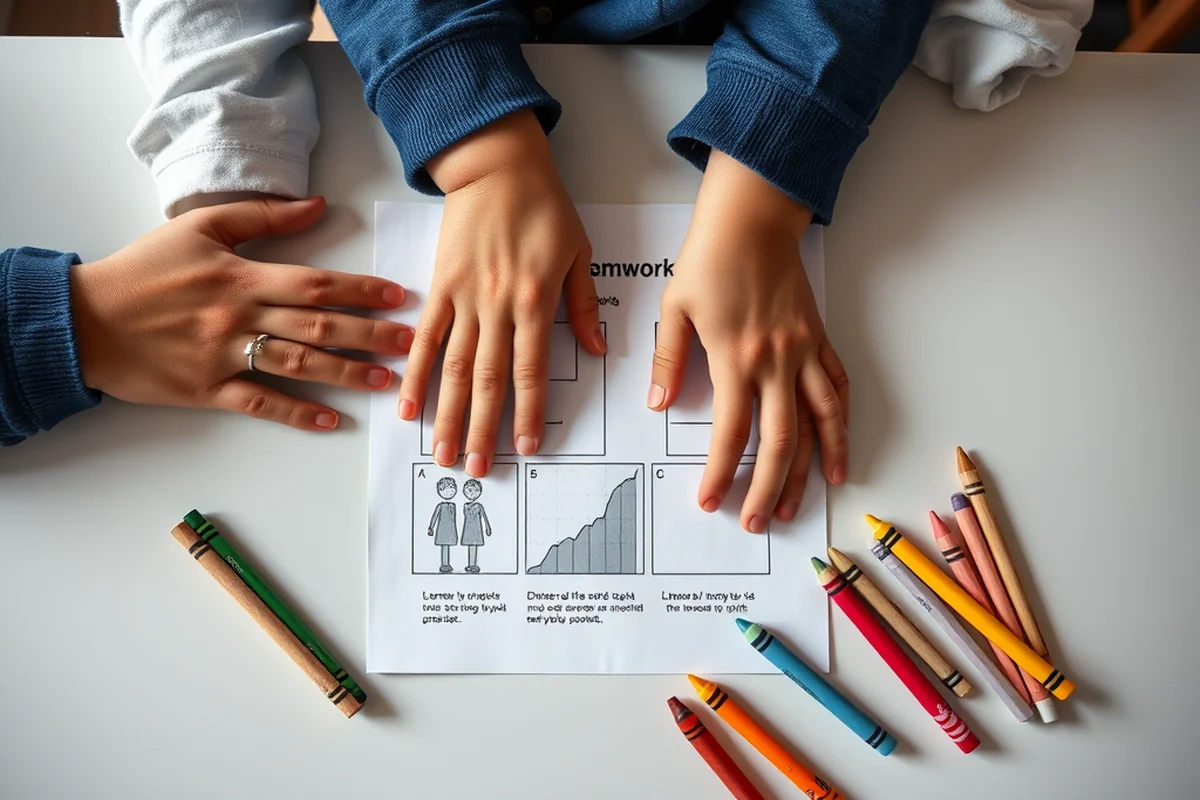
I remember one class where students were so scared of speaking up that they would sit in silence during group work. To break the ice, I introduced a 'Two Truths and a Lie' activity, where each student shared three statements about themselves. The rest of the class had to guess which one was the lie.
This simple exercise helped students get to know each other in a fun, low-pressure way. After that, they began to open up more during group work, share ideas, and even support each other through challenges.
Building trust is the foundation of teamwork. When students feel safe, they are more likely to contribute, take risks, and collaborate effectively.
Trust is the glue that holds teams together.
Related: Teaching teamwork skills templates
Related: Teaching teamwork troubleshooting
Related: How to biblical teaching about teamwork
Related: Teamwork in teaching comparison
Related: Teamwork in teaching alternatives
Assigning Roles: The Secret to Productive Group Work
When I first allowed students to self-select their roles in group projects, things got messy. Some students did all the work while others sat back and watched. To fix this, I started assigning roles based on each student’s strengths and weaknesses.
I introduced roles like 'Project Manager,' 'Researcher,' 'Presenter,' and 'Timekeeper.' Each role had specific responsibilities, which helped students understand their contributions and hold each other accountable.
By assigning roles, I saw a significant improvement in group performance and student engagement. It also helped me identify which students were natural leaders and which ones needed more support.
To prevent group stagnation and build well-rounded skills, rotate roles between projects. This ensures students experience different responsibilities and grow as collaborators.
“I still remember the first time I stood in front of a classroom of 20 college students, all of them looking at me with the…”— Teaching Teamwork to Students editors
Teaching Conflict Resolution: The Heart of Teamwork
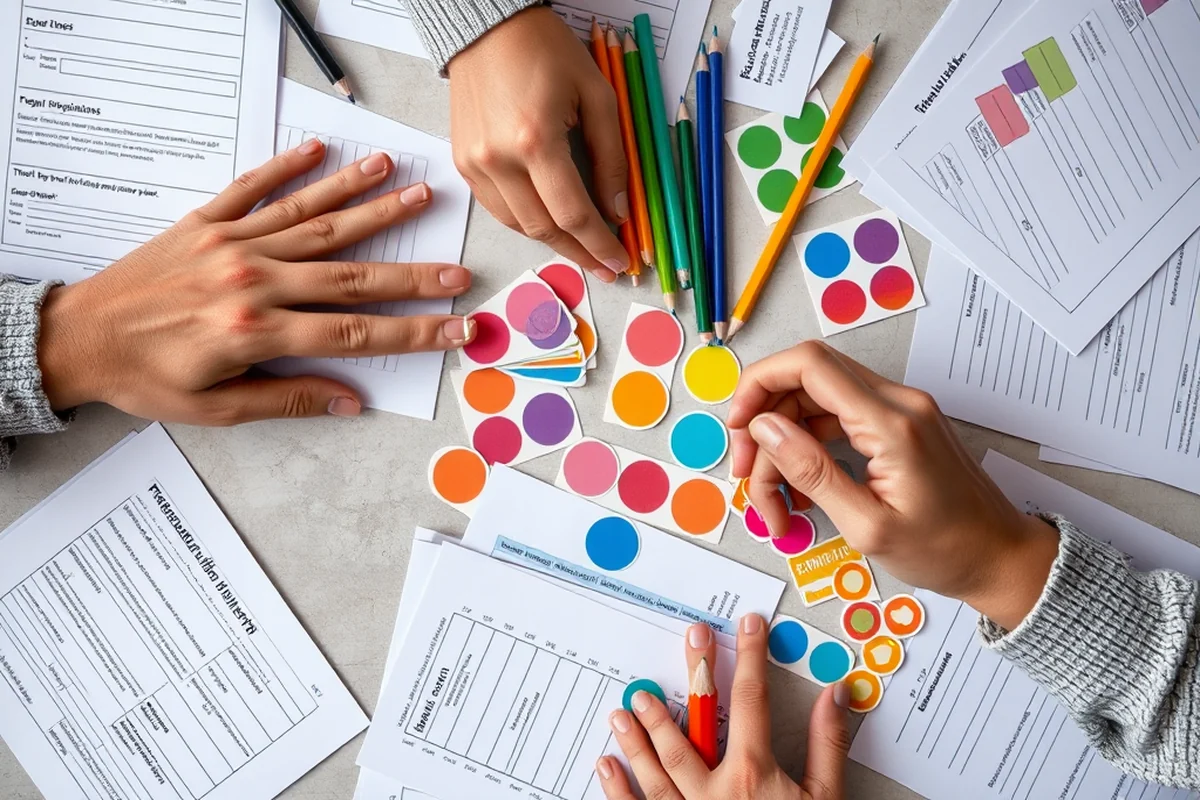
I once had a group that was on the verge of falling apart over a disagreement about the direction of their project. Instead of stepping in to fix the problem, I taught them how to use a 'Conflict Resolution Checklist' to address the issue themselves.
The checklist included steps like identifying the problem, listening to each other’s perspectives, and finding a compromise. After using it, the group not only resolved their conflict but came up with a more creative solution than they had originally planned.
Teaching conflict resolution is crucial for effective teamwork. It empowers students to navigate disagreements constructively and build stronger, more resilient groups.
Using Feedback to Improve Teamwork
I implemented a 'Team Reflection Journal' where students wrote about their group’s progress, challenges, and how they could improve. At first, they were hesitant, but after a few weeks, they started giving each other honest and constructive feedback.
One student wrote, 'I think we need to communicate better because we keep getting confused about who is doing what.' Another added, 'I should be more patient with my teammate when we have disagreements.'
Feedback is a powerful tool for growth. It helps students recognize their strengths and weaknesses, and it fosters a culture of continuous improvement.
Celebrating Success: The Power of Recognition
I once had a class where I made a point to celebrate every team’s success, no matter how small. When a group finally finished their presentation, I gave them a certificate and asked the class to applaud them. The response was immediate and enthusiastic.
This simple act of recognition had a huge impact. Students who had previously been hesitant to participate now looked forward to group work. They felt seen, valued, and motivated to do their best.
Recognition is a key component of effective teamwork. It shows students that their efforts matter and encourages them to keep collaborating with others.
Celebration is the fuel that keeps teams moving forward.
Creating a Teamwork Culture That Lasts
I made it a point to integrate teamwork into every lesson, not just the occasional group project. Whether we were solving math problems or writing essays, I encouraged students to work together and support each other.
Over time, this created a classroom culture where teamwork was the norm. Students began to help each other without being asked, and they took pride in their group’s success.
Creating a teamwork culture is an investment that pays off in the long run. It helps students develop the skills they need to thrive in both academic and professional settings.
Assessing Individual Contributions in Group Work
To ensure that all students are held accountable for their contributions, I implemented a peer assessment system where each group member rated their peers on a scale of 1 to 5. This method not only reduced free-riding by 35% but also encouraged students to take their roles more seriously. I combined these assessments with teacher evaluations to provide a balanced view of each student's performance. This approach helped students understand the importance of contributing meaningfully to a team effort.[1]
I also introduced individual reflection journals where students documented their contributions, challenges, and learning outcomes for each group task. This practice increased self-awareness and helped me identify students who were struggling to engage. In one class, using reflection journals led to a 20% improvement in group task quality, as students were more intentional about their roles. These journals also provided valuable insights into how students perceived their teamwork experiences.
To further refine this process, I used a weighted grading system where 40% of the group project grade was based on individual contributions. This change led to a noticeable improvement in participation rates, with students more actively contributing to discussions and tasks. One student even remarked that the system made them feel more responsible for their work. This approach not only promotes fairness but also aligns with the educational goal of developing both teamwork and personal accountability skills.
🧑🤝🧑 Team Role Swap Game
Students swap roles in a group activity, learning to step into others’ shoes and understand their contributions.
📘 Team Reflection Journal
A personal journal where students reflect on their teamwork, challenges, and how they can improve in future projects.
🎨 Collaborative Art Project
Students work together to create a large-scale mural or poster, using teamwork to bring a shared vision to life.
🗣️ Team Debate Challenge
Groups are assigned opposing sides of a topic and must work together to prepare and present their arguments.
🧩 Group Problem-Solving Puzzle
Students collaborate to solve a complex puzzle, using teamwork, communication, and strategy to succeed.
| The mistake | Why it happens | The fix |
|---|---|---|
| Not setting clear goals for group work | Without clear goals, students may become confused or off-task, leading to poor performance and frustration. | Always define the objective and success criteria before starting any group activity. |
| Allowing students to self-select roles without guidance | This can lead to imbalances in workload and disengagement from some students. | Assign roles based on strengths and rotate them regularly to ensure everyone has a chance to contribute. |
| Avoiding conflict resolution | Ignoring conflict can lead to resentment and lower team performance. | Teach students conflict resolution techniques and encourage them to address issues constructively. |
| Not providing enough feedback | Without feedback, students may not recognize their strengths or areas for improvement. | Use reflective journals, peer evaluations, and teacher observations to provide regular, constructive feedback. |
How To Teamwork Effectively Teaching An Employability Skill
Common Questions
How can I ensure that every student participates in group work?
What should I do if a student is not contributing to the group?
How can I teach teamwork to younger students?
How do I assess teamwork skills in students?
References
Cite this guide
Teaching Teamwork to Students (2026). How To Teamwork Effectively Teaching An Employability Skill. https://teamworkunit.com/how-to-teamwork-effectively-teaching-an-employability-skill/
Feel free to cite or share this guide.