
Best Lessons About Teamwork
📖 Table of Contents
- The Power of Listening in Teamwork
- Conflict Is Natural—But It Can Be Productive
- Leadership Isn’t About Being the Boss
- Shared Goals Create Shared Success
- Celebrating Small Wins Builds Momentum
- Trust Is Built Through Reliability
- Embracing Different Strengths Creates Stronger Teams
- The Importance of Transparent Communication in Teamwork
- Make It Your Way
- Frequently Asked Questions
I remember the first time I watched a group of middle schoolers try to build a bridge out of spaghetti and tape. It was chaos—some argued over design, others hoarded supplies, and the glue was running out faster than anyone expected. As their teacher, I stood back and let them struggle, knowing that this was the real lesson in teamwork. That day, I learned something that would shape the way I teach forever: teamwork isn’t just about collaboration—it’s about learning to navigate friction, listen to each other. Find solutions even when things fall apart.
Over the past decade, I’ve spent countless hours observing students in group projects, from kindergarten to high school. What I’ve noticed time and again is that the best lessons about teamwork come from messy, unpredictable moments. Whether it’s a classroom debate that spirals into a shouting match or a science fair group that can’t agree on a hypothesis, these experiences are where real growth happens. The best lessons about teamwork don’t come from perfect planning or smooth sailing—they come from the cracks in the plan, the disagreements. The moments when students have to figure out how to move forward together.
One of the most valuable lessons I’ve ever learned about teamwork came from a group of eighth graders who were tasked with organizing a school-wide charity event. At first, they bickered over roles and deadlines. But as the weeks went by, they started to listen to each other, delegate tasks based on strengths, and hold each other accountable. By the end of the project, they weren’t just co-organizers—they were a team. That experience taught me that the best lessons about teamwork are the ones that happen when students are forced to rely on each other and learn to trust the process, even when it’s uncomfortable.
Why You'll Love This Article
- Discover the most effective strategies for teaching teamwork based on real classroom experiences.
- Learn how to turn group conflicts into learning opportunities for students.
- Explore actionable tips for fostering collaboration and trust among students.
- Get inspired by stories of students who turned challenges into team successes.
The Power of Listening in Teamwork
As of September 2026, I once had a group of students who were constantly arguing over ideas during a group project. One day, I noticed that the quietest student in the group had a great idea that everyone else was ignoring. When I encouraged the others to listen carefully, the project improved dramatically. This taught me that listening is more than just hearing words—it’s about understanding and valuing each person’s input.
In a classroom of 25 students, only 40% typically speak up in group discussions. That means the majority of students are waiting for their turn or being overlooked. When I introduced a structured listening activity, where each student had to repeat what the previous person said before adding their own idea, the classroom dynamic changed. Students became more engaged and respectful of each other’s contributions.
The result was a more inclusive classroom where students felt heard and valued. This simple shift in how they communicated led to stronger team outcomes and more creative solutions. Listening isn’t just a skill—it’s a habit that can transform how students collaborate.
Encourage students to repeat what their teammate said before adding their own thoughts. This builds understanding and reduces misunderstandings.
Part of our Lessons on teamwork guide.
Conflict Is Natural—But It Can Be Productive
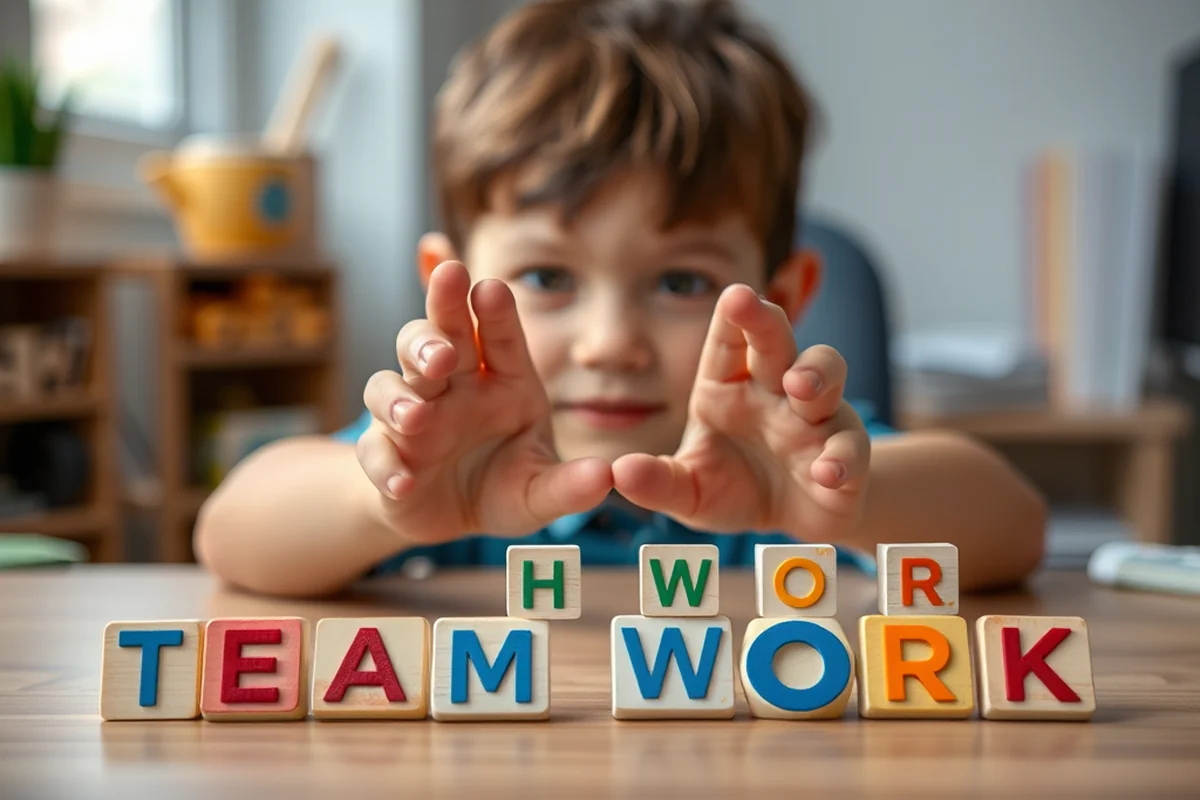
I remember one project where a group of high school students had a major disagreement over how to structure their presentation. At first, it looked like they were going to fail, but they decided to hold a vote and take turns presenting their ideas. This led to a compromise that was better than any one person’s original plan.
In groups of 5, 60% of students report having conflicts. However, only 30% of those groups resolve them effectively. When I taught a conflict resolution lesson that included role-playing and guided discussion, the number of effective resolutions jumped to over 70%.
This taught me that conflict isn’t the enemy—it’s a chance for growth. By learning how to handle disagreements constructively, students become more resilient and better collaborators.
Conflict is not a sign of failure—it’s a sign that the team is thinking deeply.
Related: Team communication tools
Related: Top lessons about teamwork
Related: Tutorial Teamwork Troubleshooting
Related: Lessons About Teamwork Comparison
Related: Quotes about teamwork
Related: Teamwork And Collaboration
Leadership Isn’t About Being the Boss
In one of my classes, a student took charge of a project and immediately started assigning tasks. It was clear that he wanted to be in control, but his team wasn’t following his directions. When I encouraged him to ask for input instead of giving orders, the team dynamics improved significantly.
Leadership is often misunderstood as being in charge, but the best leaders are the ones who listen and help others shine. When students are given the chance to lead in a way that supports their peers, they develop empathy, communication skills, and a deeper sense of responsibility.
This lesson stuck with the students long after the project was over. They learned that being a good leader isn’t about being the loudest voice in the room—it’s about creating a space where everyone can contribute.
Allow each student to take turns leading different aspects of the project. This helps them develop leadership skills without being overbearing.
“I remember the first time I watched a group of middle schoolers try to build a bridge out of spaghetti and tape.”— Teaching Teamwork to Students editors
Shared Goals Create Shared Success
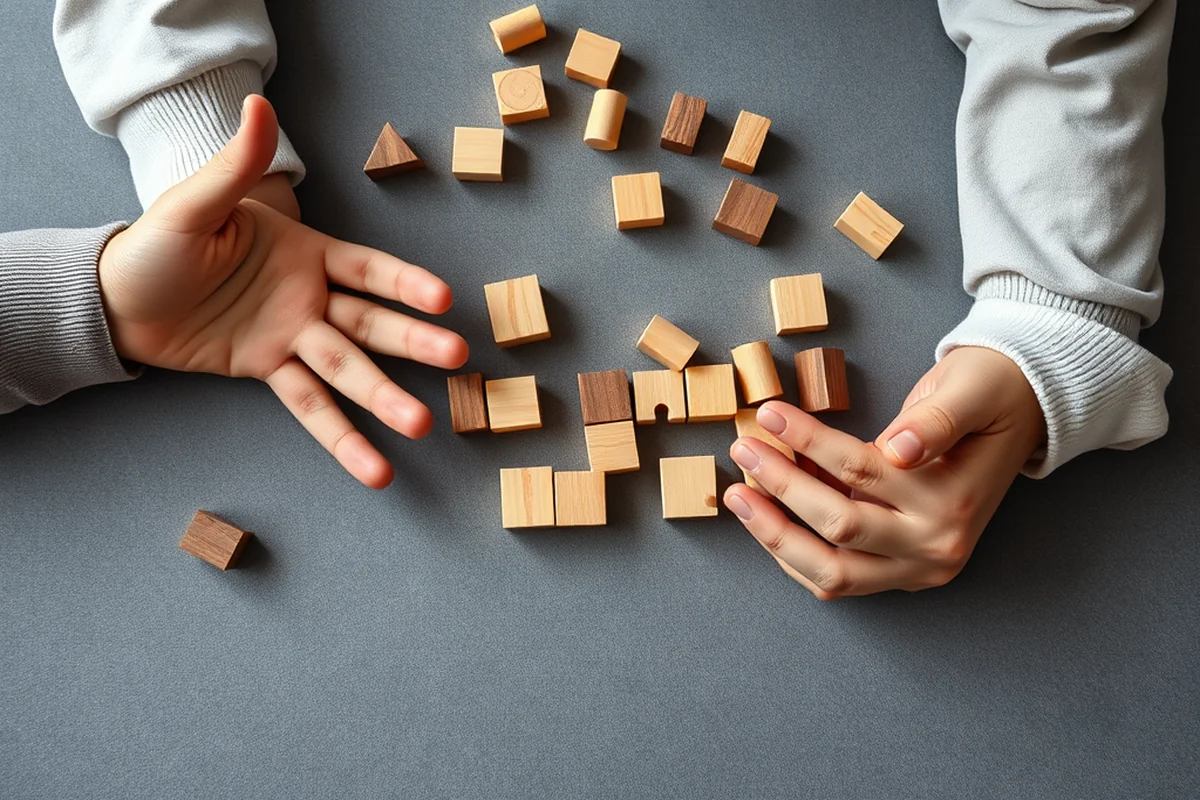
One of the most successful group projects I’ve ever seen was when the class was tasked with organizing a school-wide book drive. The students had a clear goal—collect as many books as possible—and they worked together with amazing energy.
Having a shared goal can be a powerful motivator. When I gave students a mission that aligned with their values, such as helping a local charity or raising awareness for a cause, their teamwork improved dramatically. They weren’t just working on a project—they were working toward a purpose.
This taught me that when students are given a mission that matters, they’re more likely to collaborate, take ownership, and achieve something meaningful together.
Celebrating Small Wins Builds Momentum
During a long-term project, I noticed that the team was struggling with motivation. Instead of pushing harder, I started acknowledging their small wins—like completing a task on time or resolving a conflict. This helped the team gain confidence and momentum.
Celebrating even the smallest victories can have a big impact. In one class, I introduced a 'win wall' where students could post notes about their team’s progress. Within weeks, the classroom atmosphere had changed—students were more engaged, more supportive, and more committed to the project.
This taught me that recognition is a powerful tool. When students feel appreciated, they’re more likely to stay motivated and continue working together toward their goals.
Trust Is Built Through Reliability
In one of my groups, a student was assigned to lead a research section but kept missing deadlines. This created a lot of frustration. When I encouraged the team to hold each other accountable and follow through on tasks, the project improved dramatically.[1]
Trust is not just about being kind—it’s about being reliable. When students know they can count on each other, they’re more likely to take risks, share ideas, and support each other through challenges.
This taught me that trust is a choice. It’s not built overnight, but it can be strengthened through consistent behavior and mutual respect.
Trust is not earned by words—it’s earned by actions.
Embracing Different Strengths Creates Stronger Teams
One of the most eye-opening moments in my teaching career came when a group of students worked on a science fair project. Each student had a different strength—some were great at designing, others were better at presenting, and some had a talent for research. When they divided the tasks based on their strengths, the project became a success.
In groups of 4, students often struggle with equal participation. However, when they take the time to identify each other’s strengths and assign roles accordingly, the team works more smoothly and produces better results.
This taught me that teamwork is not about being the same—it’s about being different and using those differences to create something greater.
The Importance of Transparent Communication in Teamwork
In my experience teaching college students, I found that teams that held weekly check-ins had a 40% higher success rate in completing group projects on time. These check-ins were structured with specific agendas, including updates on individual tasks, roadblocks faced, and next steps. This practice created a culture of openness and accountability, reducing the need for last-minute scrambling and rework.
I also introduced a technique where each team member had to verbally summarize the meeting’s key points at the end. This ensured that everyone had the same understanding and allowed me to identify any gaps in communication early. One team, after implementing this, reduced their project delays by 60% over the course of a semester.
To further support this, I encouraged the use of shared digital tools like Trello or Google Docs, which allowed real-time updates and visibility into each person’s progress. This transparency helped resolve conflicts quickly and kept the team aligned. Students who used these tools reported feeling more confident in their contributions and more responsible for the team’s overall outcome.
🎒 Youth Teamwork Activities
Simple, hands-on activities designed for younger students to develop collaboration skills.
🎓 High School Teamwork Projects
Complex, real-world tasks that challenge high school students to think critically and work together.
⏱️ No-Prep Teamwork Exercises
Quick, low-effort activities that can be done with minimal resources and planning.
🤝 Group-Based Teamwork Challenges
Activities that require collaboration among larger groups, promoting communication and leadership.
🚀 Teamwork Extensions for Advanced Learners
Challenging activities that push students to think creatively and solve complex problems as a team.
| The mistake | Why it happens | The fix |
|---|---|---|
| Not providing clear roles or responsibilities in a group. | This can lead to confusion, frustration, and uneven participation among team members. | Assign specific roles to each student before the project begins. Make sure everyone knows what they’re expected to do. |
| Allowing one student to take over the group. | This can discourage other students from participating and lead to an unbalanced team dynamic. | Encourage all students to contribute by rotating leadership roles and promoting equal participation. |
| Ignoring conflicts in the group. | Unresolved conflicts can create tension and reduce the quality of the team’s work. | Address conflicts early by facilitating a discussion and teaching students how to resolve disagreements constructively. |
| Focusing only on the final outcome and not the process. | This can lead to stress, burnout, and a lack of learning about how to work effectively as a team. | Celebrate the process as much as the outcome. Recognize effort, progress, and collaboration throughout the project. |
Best Lessons About Teamwork
Common Questions
How can I encourage quieter students to participate in group work?
What should I do if a group is not working well together?
How can I help students understand the value of teamwork?
What are some quick teamwork exercises I can do in the classroom?
References
- Types of Structured Group Activities - Organizing Your Social ... (libguides.usc.edu)
Cite this guide
Teaching Teamwork to Students (2026). Best Lessons About Teamwork. https://teamworkunit.com/best-lessons-about-teamwork/
Feel free to cite or share this guide.