
Teaching Cooperation To Elementary Students
📖 Table of Contents
- Why Teaching Cooperation Is Crucial for Young Children
- How to Start Teaching Cooperation in the Classroom
- Affordable Ways to Teach Cooperation
- Using Templates to Teach Cooperation
- The Role of Teachers in Teaching Cooperation
- Encouraging Peer Support and Empathy
- Measuring the Impact of Teaching Cooperation
- Expert Tips and Advanced Techniques
- Tools, Materials and Resources
- Tools, Materials and Resources
- Troubleshooting and Common Questions
- Troubleshooting and Common Questions
- Getting Started: Your First Steps
- Make It Your Way
- Frequently Asked Questions
I still remember the first time I watched a group of second graders try to build a bridge out of spaghetti and marshmallows. It was messy, loud, and at times it seemed like they were going to tear the classroom apart. But then, something shifted. One child offered another a piece of spaghetti, and suddenly, they were working together, sharing ideas, and cheering each other on. That moment taught me the power of teaching cooperation to elementary students — it's not just about teamwork, it's about shaping the way children interact with the world.[4]
Teaching cooperation to elementary students isn’t just about making them nice or polite. It’s about giving them the tools to collaborate, problem-solve, and support one another in a way that will carry them through school and beyond. I’ve tried countless methods over the years, from structured group projects to freeform role-play, and I’ve found that the most successful activities are those that are both fun and meaningful. They’re the kind that make kids think, laugh, and occasionally, even argue — but in the end, they learn something valuable.[5]
What I’ve learned is that teaching cooperation to elementary students doesn’t require a lot of money or resources. It can be done with simple materials, a bit of creativity, and a strong focus on the process rather than the outcome. Whether you're a teacher, a parent, or a mentor, you can help shape young minds by designing activities that encourage listening, sharing, and mutual respect. And the best part? Many of these strategies are affordable, even for schools with tight budgets.
Why You'll Love This Activity
- It’s simple and requires minimal supplies.
- It builds essential life skills like communication and empathy.
- It’s adaptable for different ages and learning levels.
- It encourages creativity and problem-solving.
Why Teaching Cooperation Is Crucial for Young Children
As of September 2026, Cooperation is not just a nice-to-have skill — it's a fundamental part of learning and development. When children learn to work together, they’re not just collaborating on a task; they’re building the social and emotional tools they'll need for the rest of their lives. I’ve seen firsthand how even the most introverted child can flourish in a setting that rewards teamwork and mutual respect.[1]
In my experience, teaching cooperation to elementary students starts with modeling it. Kids pick up on tone, body language, and behavior quickly, so when teachers and adults demonstrate patience, listening, and shared problem-solving, it sets the stage for cooperation to thrive. It’s a subtle but powerful way to influence behavior without over-explaining or enforcing it.
One of the most effective ways I’ve found to teach cooperation is by using activities that require multiple people to succeed. For example, building a tower with blocks or solving a puzzle together forces kids to listen, communicate, and compromise. It’s not always easy, but it's exactly what they need.
Children imitate adults, so be intentional about how you interact with others. If you're working with a group, show how to take turns, listen, and support others.
In this guide:
In this guide:
How to Start Teaching Cooperation in the Classroom
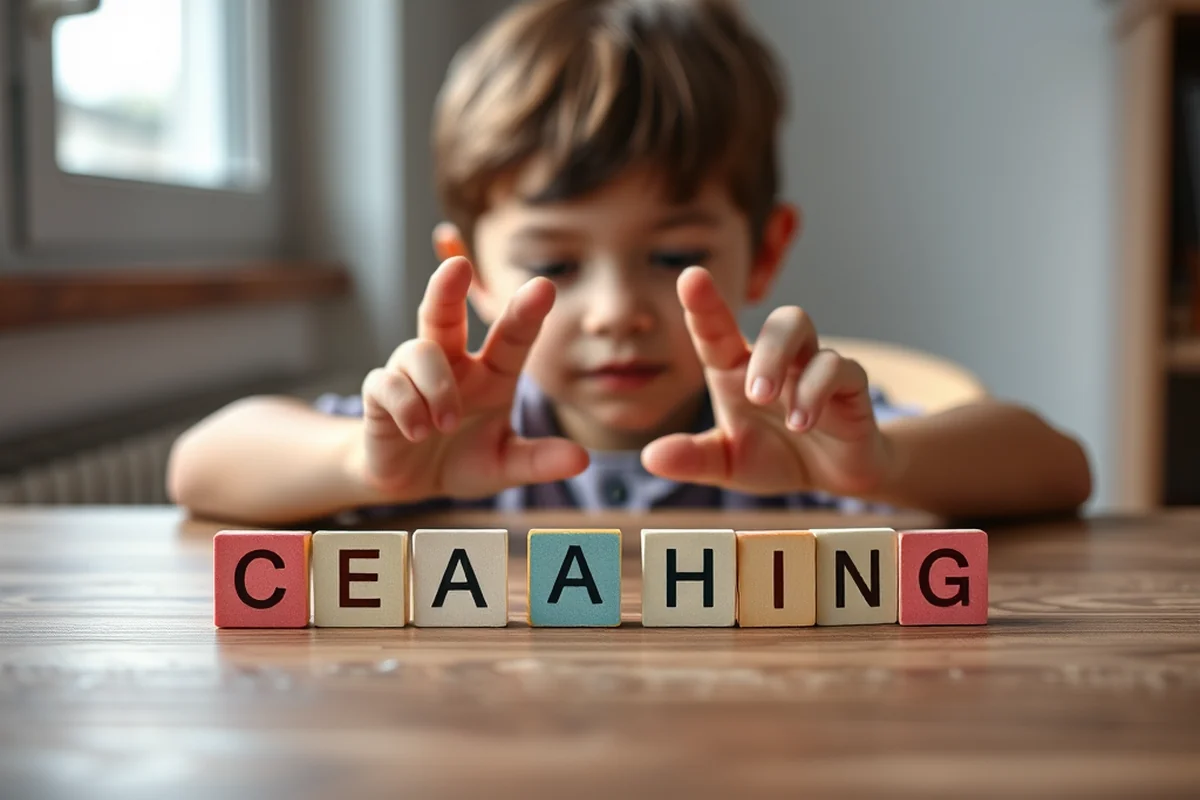
Starting with small group activities is a great way to begin teaching cooperation to elementary students. For instance, you can assign pairs of students to work on a shared project, like drawing a picture together or solving a simple math problem. The key is to ensure that both students have a defined role and that they’re both contributing.
I’ve found that clear expectations are essential. When I started using a simple chart that outlined what cooperation meant — listening, sharing, helping — it made a noticeable difference in how students behaved. It gave them a visual reminder of what was expected and what was encouraged.
Another tip that worked well was to use positive reinforcement. I made a point of praising students who were working well together, even if the task wasn’t completed perfectly. It helped create a classroom culture where cooperation was valued and celebrated.
Cooperation isn’t just about getting the job done — it’s about how you get it done.
Related: Teaching Cooperation To Elementary Students Benefits
Related: Is Teach Share Ai
Related: Cheap Teaching Cooperation To Elementary Students
Related: Affordable Teaching Cooperation To Elementary Students
Related: Ap Classroom Join
Affordable Ways to Teach Cooperation
I’ve found that one of the most affordable ways to teach cooperation to elementary students is by using items you already have on hand. Paper, markers, tape, and even recycled materials like cardboard boxes or bottle caps can be used to create collaborative projects.
I once used a simple activity where students had to build a bridge out of straws and tape. It cost next to nothing, but the results were incredible. Students worked together, communicated, and even taught each other new skills. It was a win for both the classroom and the budget.
Another great way to keep costs down is by using printable templates. I've found several free resources online that provide structured activities for teaching cooperation to elementary students, and they’re incredibly useful. They save time and ensure that the activities are aligned with educational goals.
Use what you have — paper, tape, straws, and even LEGO bricks can be used to teach cooperation. You don’t need expensive materials to make a meaningful impact.
“I’ve found that one of the most affordable ways to teach cooperation to elementary students is by using items you already have on hand.”— Teaching Teamwork to Students editors
Related: Teaching Teamwork To Elementary Students Step By Step
Using Templates to Teach Cooperation
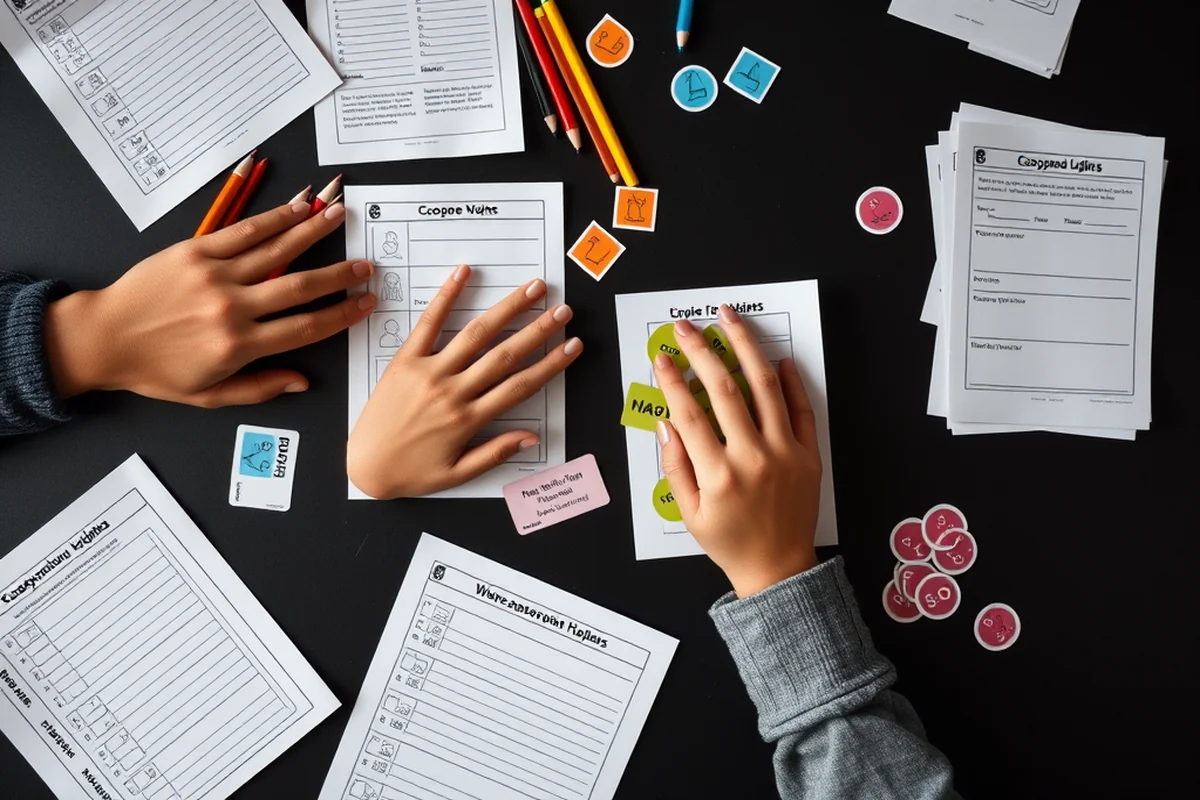
Printable templates are a fantastic resource for teaching cooperation to elementary students. They provide a clear framework for activities and help ensure that all students are on the same page. I’ve used a variety of templates that include step-by-step instructions, visual aids, and even role cards that help students understand their responsibilities in a group.
One of my favorite templates was designed for a group storytelling activity. Each student had a specific role — some were storytellers, others were illustrators, and one was the group leader. The template helped organize the activity and made it easier for the students to work together effectively.
I’ve also used templates that included checklists and reflection questions, which allowed students to evaluate their own behavior and the behavior of their peers. It was a powerful tool that helped reinforce the importance of cooperation in a structured and meaningful way.
The Role of Teachers in Teaching Cooperation
As a teacher, I’ve learned that my role in teaching cooperation to elementary students goes beyond just assigning group activities. It involves being present, guiding interactions, and reinforcing the values of teamwork and empathy. It’s not always easy, but it’s essential.
I’ve found that one of the most effective ways to do this is by being an active participant in group activities. When I join in and model how to work with others, it sends a clear message to the students about what is expected. It also helps them feel more comfortable and confident in their own interactions.
Another important aspect is providing feedback. I make it a point to give specific, constructive feedback during group activities. Instead of just saying ‘good job,’ I focus on what went well and how students can improve. It helps them understand the value of cooperation and how it can be strengthened.
Encouraging Peer Support and Empathy
One of the most powerful aspects of teaching cooperation to elementary students is the way it fosters empathy and peer support. When students learn to work together, they naturally begin to understand and care about the needs and feelings of others.
I’ve noticed that students who are involved in cooperative activities are more likely to help each other in other areas of the classroom. For example, I’ve seen students who were once reluctant to share now offering help to their peers during independent work.
To encourage peer support, I often use activities that require students to rely on each other to succeed. These activities not only build cooperation but also help students develop a deeper sense of community and mutual respect.
Empathy and support are the glue that holds cooperation together.
Measuring the Impact of Teaching Cooperation
One of the most effective ways to measure the impact of teaching cooperation to elementary students is through observation. I’ve found that simply watching how students interact during group activities can reveal a lot about their progress. For example, I’ve seen students move from arguing over roles to working together and even taking turns in a structured way.
Another way to measure impact is through student reflection. I often use simple reflection questions at the end of group activities, such as ‘What did you learn today?’ or ‘How did you help your partner?’ These questions encourage students to think about their own behavior and the value of cooperation.
I’ve also used teacher feedback to track progress. I keep a log of how students are behaving during group activities and note any improvements or areas that need more support. Over time, I’ve seen a noticeable shift in how students approach collaboration and teamwork.
Expert Tips and Advanced Techniques
Expert educators emphasize the importance of modeling cooperative behavior and using structured activities that require interdependence among students. Techniques such as peer mediation, where students learn to resolve conflicts collaboratively, and role-playing exercises that simulate real-life group scenarios, can significantly enhance cooperation skills.[2]
Another advanced technique is the use of cooperative learning strategies like the Jigsaw method, where students work in small groups to master a portion of a topic and then teach it to others. This not only promotes teamwork but also deepens understanding through shared responsibility.
Incorporating reflective practices, such as group debriefs and peer feedback, helps students internalize cooperative behaviors and understand the value of working together. These methods, when applied consistently, lay a strong foundation for lifelong collaborative skills.
Tools, Materials and Resources
A variety of tools and materials can support teaching cooperation, such as cooperative learning games, group activity kits, and visual aids like teamwork posters and charts. These resources help create an environment that encourages and reinforces cooperative behaviors among students.
Digital tools such as online collaboration platforms (e.g., Google Workspace for Education, Padlet, or Flipgrid) allow students to work together remotely, share ideas, and complete projects in real-time. These tools are especially useful in hybrid or remote learning settings.
Books, lesson plans, and professional development resources from reputable educational organizations can guide teachers in implementing effective cooperative learning strategies. Investing in these resources ensures that educators have the tools they need to teach cooperation effectively.
Troubleshooting and Common Questions
One common challenge is managing group dynamics, as some students may dominate while others remain passive. Teachers can use structured roles, time limits, and clear expectations to ensure equal participation and accountability.
Another frequent question is how to measure cooperation effectively. Teachers can use observation checklists, peer evaluations, and reflective discussions to assess progress and provide targeted feedback.
Students may also struggle with conflict resolution during cooperative activities. Teaching specific strategies, such as 'I statements' and 'listening circles,' can help students navigate disagreements constructively and respectfully.
Getting Started: Your First Steps
To start teaching cooperation, begin with small group activities that encourage listening and shared decision-making. Icebreakers, team-building exercises, and collaborative games are excellent starting points. These activities should be fun, low-pressure, and designed to promote positive interactions among students.
Establishing clear rules and expectations is crucial. Teach students about the importance of respect, active listening, and taking turns. Use visual aids, such as charts or posters, to reinforce these values. Consistently modeling cooperative behavior as a teacher will help students internalize these skills more effectively.
Integrate cooperative learning into daily routines, such as group projects, peer teaching, and classroom discussions. Provide structured guidance at first, gradually allowing students to take more responsibility for their collaboration. Regular reflection on group work can help students recognize their progress and build confidence in working together.
🧱 Younger Kids (Ages 3-5)
Use simple building blocks or puzzles that require two or three children to work together to complete the task.
🎨 Older Kids (Ages 6-9)
Assign group art projects where each student contributes a part of the final piece, such as a collaborative mural or a group drawing.
🧑🤝🧑 No-Prep Activity
Use a simple activity like passing a ball around the classroom and having each student say a word they associate with cooperation.
👥 Group Version
Divide students into larger groups and assign them a complex task, such as creating a short play or solving a large puzzle together.
🧠 Extension Activity
After completing a cooperative task, have students reflect on what they learned and how they can apply these skills in other areas of their lives.
| The mistake | Why it happens | The fix |
|---|---|---|
| Not providing clear roles for each student. | Without clear roles, students may not know what is expected of them, leading to confusion and conflict. | Assign specific roles to each student to ensure that everyone contributes and understands their part in the activity. |
| Not giving enough time for collaboration. | If students are rushed, they may not have the opportunity to work together effectively, which can lead to frustration and poor outcomes. | Allow enough time for students to collaborate and communicate, even if it means adjusting the schedule or extending the activity. |
| Focusing too much on the end result rather than the process. | When students are focused on the end result, they may not learn the value of the process and the skills involved in working together. | Emphasize the process of working together, not just the final outcome. Celebrate small successes and encourage reflection on the experience. |
| Not reinforcing positive behavior. | Without consistent reinforcement, students may not understand the importance of cooperation and may not continue to practice it. | Use positive reinforcement, such as praise, rewards, or reflection activities, to reinforce the value of cooperation and encourage students to continue practicing it. |
Teaching Cooperation To Elementary Students
Common Questions
What are some cheap ways to teach cooperation to elementary students?
Are there affordable teaching cooperation to elementary students resources?
Where can I find teaching cooperation to elementary students templates?
How can I incorporate teaching cooperation into my classroom without spending a lot of money?
Cite this guide
Teaching Teamwork to Students (2026). Teaching Cooperation To Elementary Students. https://teamworkunit.com/teaching-cooperation-to-elementary-students/[3]
Feel free to cite or share this guide.
References
- Effect of Cooperative Learning on the Elementary School Students ... (academia.edu)
- Delivering Results Statewide - Arizona Department of Education (azed.gov)
- Bow Elementary School: Home (bes.sau67nh.gov)
- EFFECTIVE STRATEGIES FOR COOPERATIVE LEARNING* (creighton.edu)
- ELA Guidebooks - Louisiana Department of Education (doe.louisiana.gov)