
Top Lessons On Teamwork
📖 Table of Contents
- The Power of Listening in Teamwork
- Conflict Is Natural—But It Can Be Productive
- Assigning Roles Builds Responsibility
- Celebrating Small Wins Builds Motivation
- Effective Communication Is Key to Success
- Trust Builds Stronger Teams
- Reflecting on Teamwork Builds Growth
- Make It Your Way
- Frequently Asked Questions
I remember the first time I watched a group of students tackle a complex project together. It wasn’t the smoothest process—there were arguments, confusion, and a few moments where I thought the whole thing would fall apart. But by the end of the day, they had created something none of them could have done alone. That moment taught me that teamwork isn’t just about getting along; it’s about learning to listen, adapt, and push through challenges. These lessons have since become the foundation of how I teach students to work together. I want to share the top lessons on teamwork that have helped students succeed in both school and life.[1]
I’ve spent years in the classroom, watching students struggle with collaboration and then finally find their rhythm. One of the hardest parts of teaching teamwork is that it’s not a one-size-fits-all approach. Some kids thrive in leadership roles, while others are more comfortable supporting their peers. The key is to create an environment where everyone feels valued and heard. When I first started using structured teamwork activities, I noticed a significant drop in frustration and a rise in productivity. The top lessons on teamwork have since become a vital part of my teaching toolkit, helping students build skills that last far beyond the classroom.[2]
Teamwork is one of those skills that students often take for granted, yet it’s crucial for success in any field. I’ve seen the difference it makes in group projects, presentations, and even during simple classroom discussions. When students learn how to communicate effectively, delegate tasks, and resolve conflicts, they begin to see the value of working together. These lessons on teamwork have transformed how I approach group work, and I now see students who not only complete tasks faster but also enjoy the process more. Learning to collaborate is more than just a classroom skill—it’s a life skill that will serve them well in whatever path they choose.[3]
Why You'll Love This Article
- Practical lessons students can apply in real-world settings
- Proven strategies that foster effective collaboration
- Insights from years of classroom experience and experimentation
- Specific techniques that improve communication and problem-solving
The Power of Listening in Teamwork
As of September 2026, I once had a group of students who were constantly arguing over ideas, never letting anyone else finish their thoughts. After introducing a simple rule of 'no interruptions,' the entire dynamic of the group changed. Listening became a priority, and the quality of their work improved dramatically. This lesson on teamwork showed them that listening is just as important as speaking up.[4]
Students who listen actively are better able to understand different perspectives, which leads to more creative solutions. I noticed that when students made an effort to listen, they were more likely to incorporate each other’s ideas into their work. This not only improved the outcome of their projects but also built a more respectful and supportive classroom environment.
Encouraging students to practice active listening has been one of the most effective ways to improve teamwork. I’ve found that when students are taught to paraphrase what others say before responding, it creates a deeper level of understanding and respect. This simple technique has transformed how students interact in group settings.
Encourage students to repeat back what a peer says before responding. This helps them understand and respect each other’s ideas.
Part of our Lessons on teamwork guide.
Conflict Is Natural—But It Can Be Productive
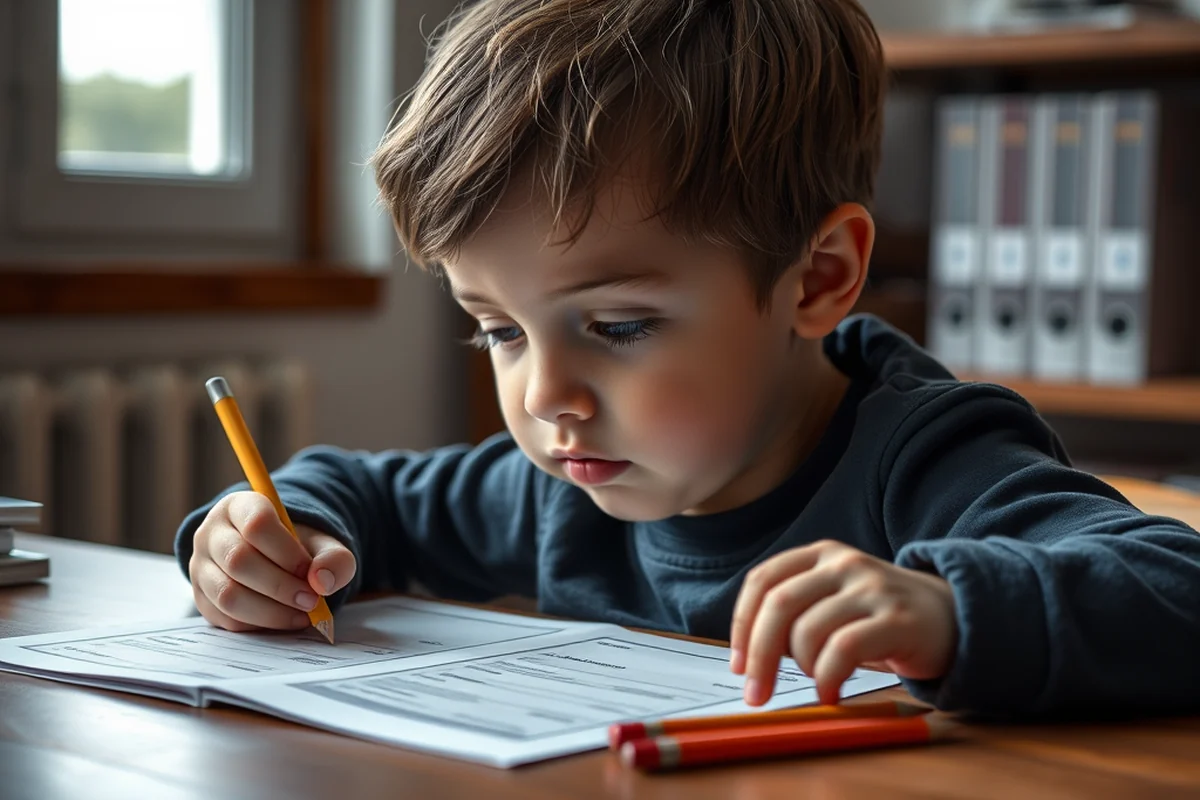
I remember a time when two students were in a heated disagreement about the direction of a project. Instead of letting the conflict escalate, I guided them to use a structured problem-solving technique. They were able to find a compromise that satisfied both of them. This experience taught the whole group that conflict, when handled properly, can lead to better outcomes.
Not all conflicts are negative. In fact, many of the most creative solutions come from disagreements. I’ve found that when students are taught how to approach conflict constructively, they’re more likely to see it as an opportunity rather than a barrier. This has helped create a classroom culture where students feel comfortable expressing their opinions.
I now use conflict resolution strategies in every group activity, and the results have been impressive. Students who once avoided disagreements are now more willing to voice their concerns and work through them together. This lesson on teamwork has helped them develop resilience and problem-solving skills that will serve them well in the future.
Conflict is not the enemy of teamwork—it’s a sign that ideas are being shared.
Related: Affordable lessons from teamwork
Related: Best lessons about teamwork
Related: Lessons about teamwork comparison
Related: Best teamwork quotes
Related: Collaborative problem solving
Related: Top Tutorial Teamwork
Assigning Roles Builds Responsibility
When I first started assigning roles in group projects, I noticed a huge difference in how students approached their work. Instead of letting one or two students do all the heavy lifting, each person had a defined responsibility that made them feel valued. This strategy has become one of the most effective ways I’ve found to teach teamwork.
Assigning roles such as leader, recorder, timekeeper, and presenter helps students understand their strengths and how they can contribute in different ways. I’ve seen students who were initially hesitant to take on leadership roles become confident and capable leaders after being given the opportunity to lead a project.
By assigning roles, students learn how to take responsibility and work collaboratively. This has not only improved the quality of their group work but also helped them build confidence in their abilities. It’s a powerful way to teach the top lessons on teamwork.
Allow students to rotate roles in different projects to give everyone a chance to experience different responsibilities and develop a range of skills.
“I remember the first time I watched a group of students tackle a complex project together.”— Teaching Teamwork to Students editors
Celebrating Small Wins Builds Motivation
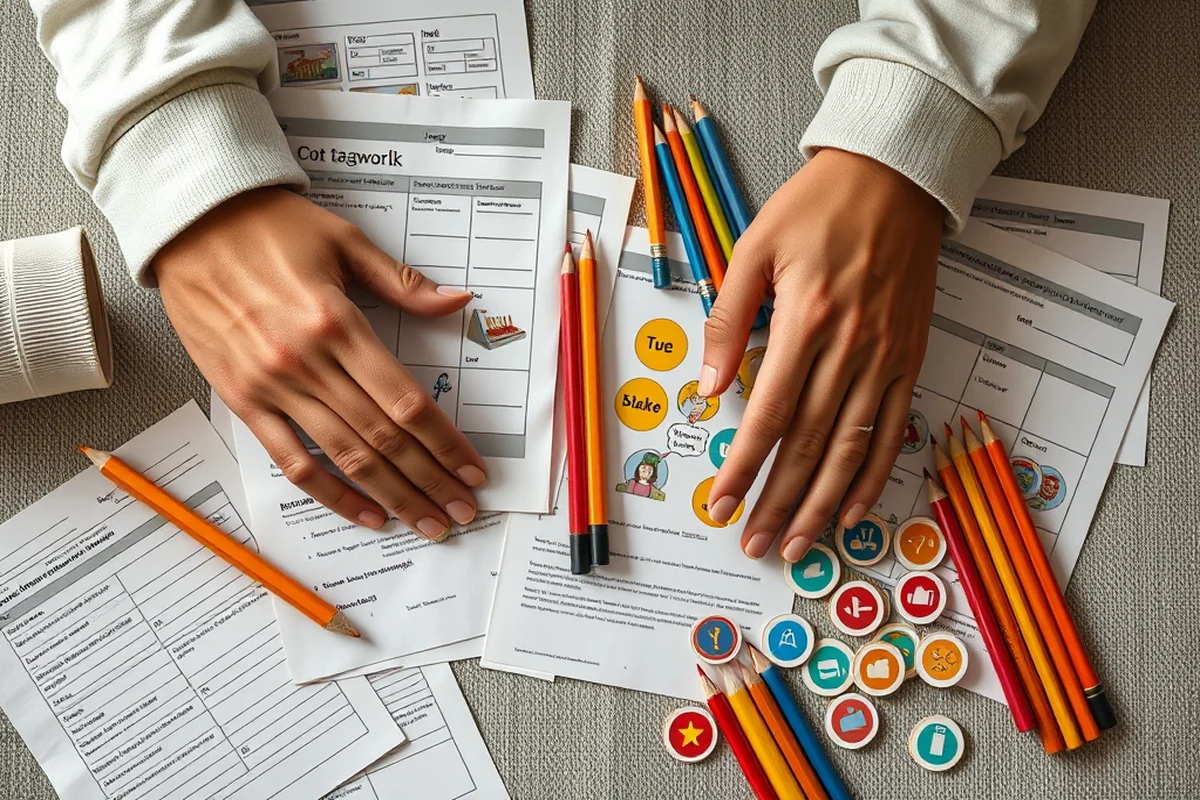
I’ve found that when students feel their contributions are acknowledged, they’re more likely to stay committed to the team’s goals. Celebrating small wins, like completing a task or resolving a conflict, can create a positive momentum that keeps the group moving forward. This approach has become a key part of how I foster teamwork in the classroom.
I once had a group that was struggling to stay on track with their project. After we celebrated a small win—like finishing a difficult part of their assignment—their energy and motivation increased dramatically. This simple act of recognition helped them see that their hard work was making a difference.
Celebrating progress, even in small ways, helps students build confidence and a sense of accomplishment. It reinforces the idea that teamwork is about progress, not perfection. This lesson has helped my students stay motivated and engaged in their collaborative work.
Effective Communication Is Key to Success
One of the biggest challenges I’ve seen in group work is poor communication. Students often talk over each other, don’t ask enough questions, or don’t clarify their expectations. Teaching them how to communicate clearly has been one of the most impactful lessons I’ve shared with my students.
I introduced a communication checklist that students use before and during group work. It includes things like asking for clarification, summarizing what others say, and checking in on progress. This has helped students be more intentional in how they interact with each other.
When students learn to communicate effectively, they’re better able to collaborate and achieve their goals. This lesson has had a lasting impact on how my students work together, helping them build stronger, more productive teams.
Trust Builds Stronger Teams
I’ve seen firsthand how trust can transform a group from a collection of individuals into a cohesive unit. When students trust each other, they’re more willing to take risks, share their ideas, and support each other through challenges. This lesson on teamwork has been one of the most powerful ones I’ve ever taught.
Building trust takes time and effort, but it’s worth it. I encourage students to be honest, reliable, and supportive of each other. When they see that their peers are trustworthy, they’re more likely to invest themselves fully in the group’s success.
I’ve noticed that when students learn to trust each other, they’re more engaged and committed to their work. This trust creates a safe space for them to take risks and learn from their mistakes, which is essential for growth.
Trust is the glue that holds a team together.
Reflecting on Teamwork Builds Growth
After every group project, I encourage students to reflect on what went well and what could be improved. This practice helps them understand their strengths and areas for growth. I’ve found that reflection is one of the most valuable tools for teaching the top lessons on teamwork.
I often use guided reflection questions to help students think critically about their experiences. Questions like, 'What did we do well?' and 'What could we have done better?' help students process their teamwork in a constructive way.
Reflecting on teamwork experiences helps students develop a deeper understanding of collaboration. It allows them to see how their actions impact the team and how they can improve in the future. This practice has had a lasting impact on how my students approach group work.
🧑🤝🧑 Younger Kids Teamwork Activity
A simple, hands-on activity that helps younger students learn the basics of teamwork through play and cooperation.
🧑🤝🧑 Older Kids Teamwork Activity
An activity designed for older students that challenges them to solve complex problems and work collaboratively toward a common goal.
🧩 No-Prep Teamwork Activity
A quick and easy activity that requires no preparation and can be used at any time to reinforce teamwork skills.
👥 Group Version of the Activity
A large-group version of the activity that encourages teamwork across multiple teams and fosters collaboration on a larger scale.
🚀 Teamwork Extension Activity
An extension activity that builds on the basics of teamwork and challenges students to apply their skills in new and creative ways.
| The mistake | Why it happens | The fix |
|---|---|---|
| Not assigning clear roles in group work. | This can lead to confusion and frustration as students may not know what is expected of them. | Assign specific roles to each student to ensure everyone knows their responsibilities. |
| Allowing one student to dominate the group discussion. | This can leave other students feeling ignored and uninvolved in the group work. | Encourage quieter students to speak up and rotate leadership roles regularly. |
| Failing to address conflicts when they arise. | Unresolved conflicts can create a negative group dynamic and hinder progress. | Teach students conflict resolution strategies and guide them through the process of finding a solution. |
| Not reflecting on teamwork experiences. | Without reflection, students may not learn from their successes and challenges. | Incorporate guided reflection questions after each group activity to help students process their experiences. |
Top Lessons On Teamwork
Common Questions
How can I help students who are reluctant to work in groups?
What if one student is dominating the group work?
How do I handle conflicts that arise during group work?
What if my students are not communicating effectively?
References
- 10 Tips for Effective Teamwork in the Workplace (aces.edu)
- The Importance of Work and Teamwork | Foundations for Success (aiu.edu)
- What I Learned from My Team Members - Duke MMS Student Blog (blogs.fuqua.duke.edu)
- Section 4. Building Teams: Broadening the Base for Leadership (ctb.ku.edu)
Cite this guide
Teaching Teamwork to Students (2026). Top Lessons On Teamwork. https://teamworkunit.com/top-lessons-on-teamwork/
Feel free to cite or share this guide.