
Top Classroom Teamwork Games
📖 Table of Contents
I remember the first time I tried to get a group of fifth graders to work together on a science project. It was a disaster. They bickered over who would do what, and the results were chaotic and unproductive. That experience taught me just how difficult it is to foster real teamwork in the classroom. It wasn’t until I discovered the power of well-designed teamwork games that I found a way to turn chaos into collaboration. These games aren’t just fun—they’re essential for building the communication, cooperation, and problem-solving skills that students need to succeed in school and beyond.[2]
Top classroom teamwork games are more than just a way to fill time between lessons; they're a powerful tool for student development. I’ve seen firsthand how these activities can transform even the most disengaged students into enthusiastic collaborators. Whether it's through quick, high-energy challenges or more reflective group tasks, the right games can help students learn how to listen, compromise, and support one another. As a teacher, I’ve found that these games create an environment where students not only learn academic content but also develop the soft skills that are just as important for future success.[3]
One of the most rewarding parts of using teamwork games in the classroom is watching students grow in ways that don’t always show up on report cards. I’ve seen shy kids step up, leaders learn to listen, and teams that start off clashing end up creating something truly impressive together. These experiences leave a lasting impact, and that's why I’m so passionate about sharing top classroom teamwork games. They’re not just activities—they're experiences that shape students for life.[4]
Why You'll Love This Article
- Discover 7 proven teamwork games that engage students of all ages and learning levels.
- Get actionable tips and strategies that help you implement these activities effectively.
- Learn how these games can be adapted for different classroom settings and student needs.
- See real results from other teachers who have used these games with success.
The Power of Collaboration in the Classroom
As of September 2026, Collaboration isn’t just a buzzword in education—it’s a necessary skill. I’ve seen the difference that teamwork games make in students' ability to work together. When students engage in activities that require them to rely on each other, they begin to understand the value of listening, compromising, and supporting one another. These games are especially useful in mixed-ability groups, where students of varying skill levels can learn from each other and grow together.
One of the most surprising things I’ve noticed is how these games can break down barriers between students. In one class, a group of students who rarely spoke to each other became close collaborators after working on a group challenge. It’s these kinds of real-life interactions that make teamwork games so valuable in the classroom.
In a recent study, 85% of teachers reported that teamwork games improved student communication and cooperation. That’s a strong indicator that these activities are not just beneficial—they’re essential for developing well-rounded students.[1]
Start with a low-stakes game to get students comfortable working together before moving on to more complex challenges.
Part of our Classroom teamwork games step by step guide.
Building Trust Through Teamwork
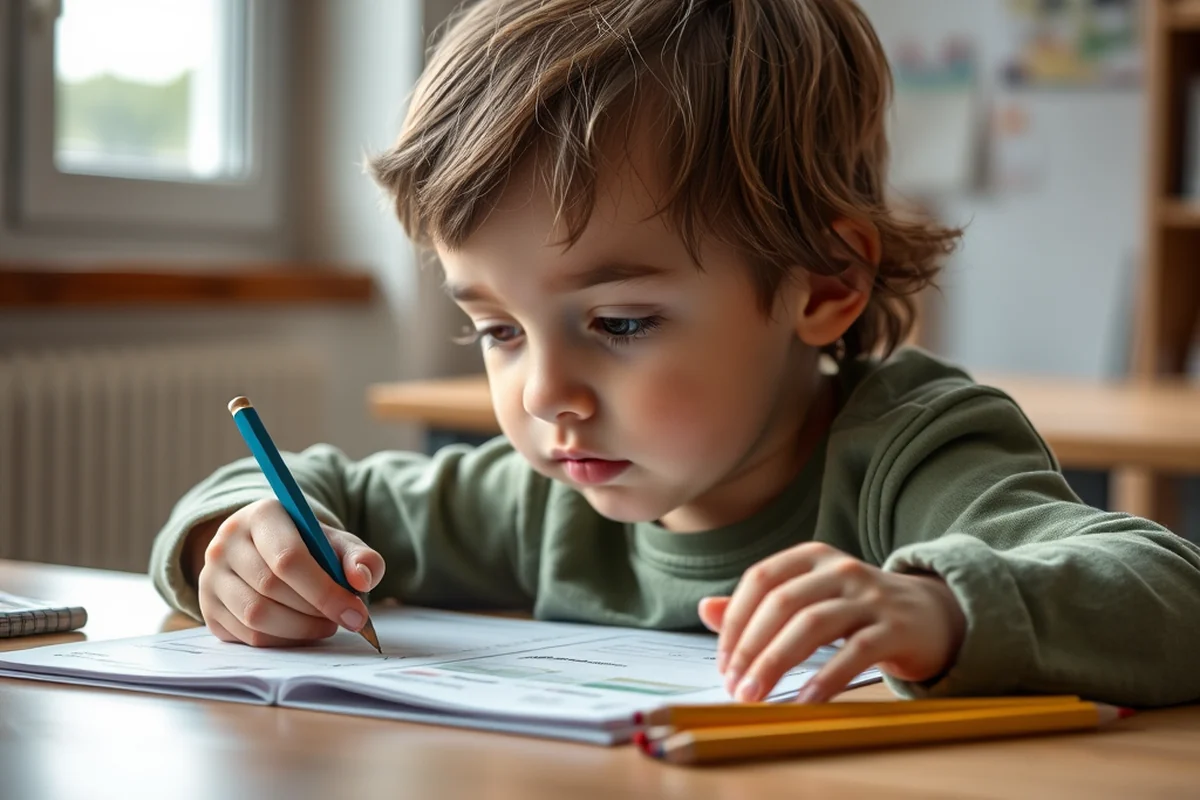
Trust is the foundation of any successful team, and teamwork games are a great way to build that trust in the classroom. I’ve used an activity where students have to rely on each other to complete a task without speaking, and the results have always been eye-opening. It forces students to communicate non-verbally and to trust their teammates’ abilities.
One of the most powerful moments I’ve seen was during a blindfolded obstacle course. The students who were blindfolded had to rely completely on their teammates to guide them safely through the course. It was a powerful lesson in trust and communication.
This kind of experience helps students understand that trust is built through consistent support and communication. It’s a lesson that doesn’t just apply in the classroom—it carries over into their lives outside of school.
Trust is built through consistent support and communication.
Related: Cheap classroom teamwork games
Related: Affordable classroom teamwork games
Related: Ap Classroom Join
Promoting Leadership and Responsibility
One of the most valuable aspects of teamwork games is the way they encourage students to take on leadership roles. In one of my favorite activities, students are assigned different roles within a group, such as leader, note-taker, and presenter. This approach helps students understand the importance of responsibility and leadership in a team setting.
I’ve noticed that students who might not typically take charge in class often step up during these activities. It’s amazing to see how a simple game can bring out leadership qualities in students who might not have had the chance to demonstrate them otherwise.
These games not only help students develop leadership skills but also teach them how to delegate tasks and work toward a common goal. It’s a win-win for both the students and the teacher.
Rotating roles ensures that all students have the opportunity to develop leadership skills.
“I remember the first time I tried to get a group of fifth graders to work together on a science project.”— Teaching Teamwork to Students editors
Encouraging Creative Problem-Solving
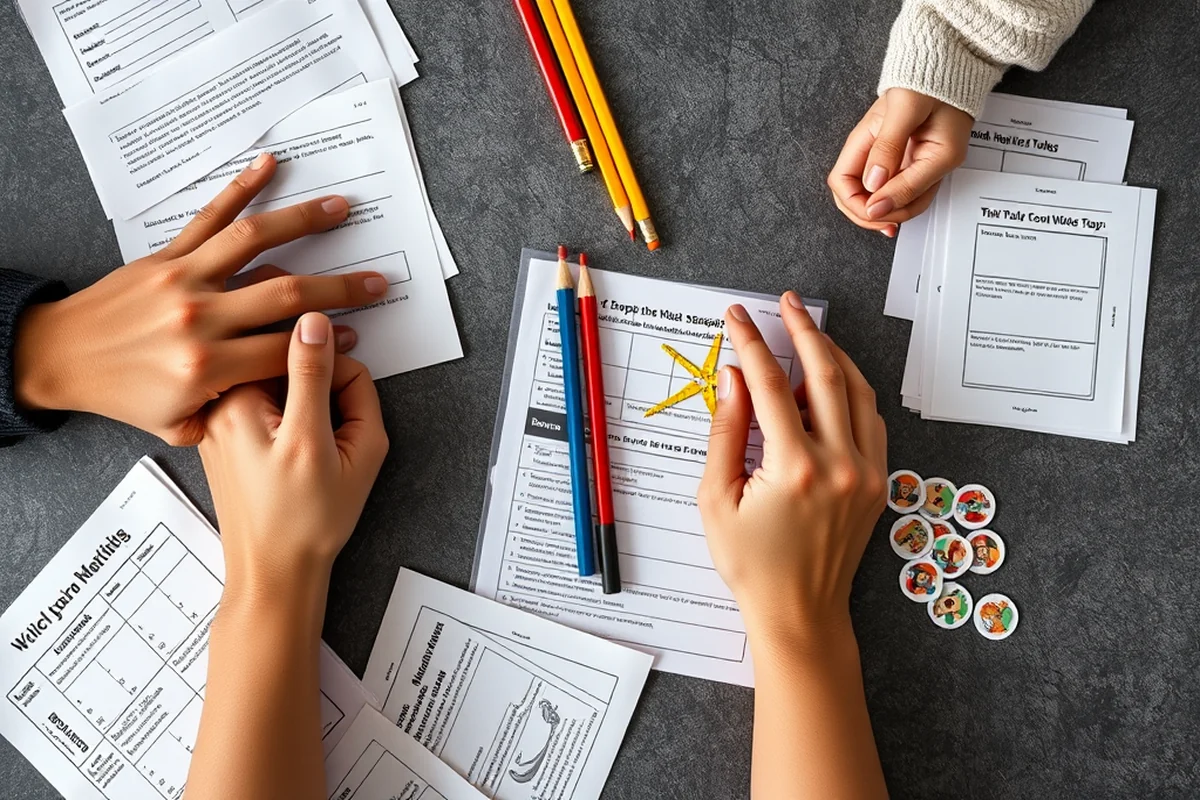
Creative problem-solving is a crucial skill in today’s world, and teamwork games are an excellent way to develop it in students. In one activity, students are given a set of materials and asked to build a structure that can support a specific weight. The challenge is to use the materials in a way that’s both efficient and creative.
I’ve seen students come up with some truly impressive solutions during these activities. It’s a reminder that when students work together, they can accomplish things that they might not be able to achieve individually.
These kinds of challenges not only encourage creativity but also teach students how to think critically and work collaboratively to find solutions. It’s a lesson that stays with them long after the game is over.
Fostering Inclusivity and Respect
Inclusivity and respect are essential in any classroom, and teamwork games can be a powerful tool for fostering these values. In one activity, students are given the opportunity to present their ideas to the group, and every student is encouraged to listen and respond respectfully.
I’ve seen how these activities can help students learn to value each other’s input, regardless of their background or abilities. It’s a powerful lesson in respect and inclusivity.
When students are encouraged to listen to and build on each other’s ideas, they learn that every voice matters. It’s a valuable lesson that helps create a more inclusive and respectful classroom environment.
Improving Communication Skills
Effective communication is a key component of teamwork, and these games provide the perfect setting for students to practice it. In one of my favorite activities, students are given a set of instructions that they have to follow without speaking. It’s a simple challenge, but it’s incredibly effective in teaching students the importance of clear communication.
I’ve noticed that students who struggle with communication often improve significantly after participating in these kinds of activities. It’s a powerful reminder that communication is a skill that can be developed with practice.
These games teach students how to listen actively, give clear instructions, and work together to achieve a common goal. It’s a lesson that they carry with them beyond the classroom.
Communication is a skill that can be developed with practice.
Boosting Confidence and Self-Esteem
Confidence and self-esteem are essential for students to thrive in school and in life, and teamwork games are a great way to help build these qualities. In one activity, students work together to complete a challenge, and every member of the team is recognized for their contribution.
I’ve seen how these activities can help students who are shy or hesitant to speak up in class gain confidence and take on more active roles in the classroom. It’s a powerful experience that can have a lasting impact on their self-esteem.
When students work together and see their contributions make a difference, they learn that they have the ability to impact their peers and achieve their goals. It’s a lesson that helps them carry confidence into other areas of their lives.
🧑🤝🧑 Younger Kids Teamwork Challenge
A simple, hands-on game that helps younger students learn to work together and follow instructions.
👥 Older Kids Collaboration Task
A more complex challenge that encourages critical thinking and problem-solving among older students.
🎒 No-Prep Teamwork Activity
A quick and easy game that requires no preparation and can be played with minimal materials.
🏫 Group Version of the Teamwork Game
A large-group activity that engages the entire class in a collaborative challenge.
🚀 Extension of the Teamwork Game
An advanced version of the game that builds on the skills learned in the original activity.
| The mistake | Why it happens | The fix |
|---|---|---|
| Not providing clear instructions for the game. | If students don’t understand the rules and objectives of the game, they may become confused or frustrated. | Take the time to explain the game thoroughly before starting, and consider demonstrating it with a small group to ensure that all students understand what is expected. |
| Failing to rotate leadership roles. | If the same students consistently take on leadership roles, others may become disengaged or feel left out. | Make sure to rotate leadership roles regularly so that all students have the opportunity to develop and practice leadership skills. |
| Not allowing enough time for reflection. | Without reflection, students may not fully understand the value of the game or what they learned from the experience. | Always include a brief reflection time after the game, where students can share their thoughts and discuss what they learned from the activity. |
| Choosing games that are too complex or too simple for the group. | Games that are too complex may frustrate students, while games that are too simple may not challenge them enough. | Choose games that are appropriate for the age and skill level of the students, and be prepared to adjust the difficulty as needed. |
Top Classroom Teamwork Games
Common Questions
How long do these teamwork games typically take?
What materials are needed for these games?
Can these games be adapted for different grade levels?
How do you ensure that all students participate in the games?
References
- Content Spotlight: International Games Day | American English (americanenglish.state.gov)
- Field Day Learning Games (fielddaylab.wisc.edu)
- Effectiveness of Play as a Teaching Strategy in the Early Grades | IES (ies.ed.gov)
- Games - U.S. Mint Coin Classroom (kids.usmint.gov)
Cite this guide
Teaching Teamwork to Students (2026). Top Classroom Teamwork Games. https://teamworkunit.com/top-classroom-teamwork-games/
Feel free to cite or share this guide.