
Best Classroom Teamwork Games
📖 Table of Contents
I still remember the first time I tried to get a group of 10-year-olds to collaborate on a project. They bickered over who would hold the scissors, who would cut the paper, and who would even be in charge. It was chaos. But over time, I discovered that games are the secret weapon to teaching teamwork. Whether it's a simple relay or a more complex challenge, classroom teamwork games can turn chaos into cooperation. These games are not just fun—they’re foundational for developing communication, problem-solving, and empathy in students.[1]
I've tested dozens of classroom teamwork games over the years, from elementary to high school, and I've learned what works and what doesn't. The best classroom teamwork games are the ones that engage the whole group, challenge them to think together, and leave them with a sense of accomplishment. They're also the ones that teachers can easily implement with minimal materials and time. For instance, one of my favorites—a blindfolded puzzle game—only requires a few pieces of cardboard and a blindfold, and it has transformed the way my students approach group work.
The key to making teamwork games effective is consistency and intentionality. I make it a point to start each term with a dedicated week of teamwork games, and the results are always rewarding. Students who once avoided group work now look forward to it, and teachers notice a marked improvement in classroom dynamics. It's not just about making them work together—it's about building trust, respect, and the ability to communicate clearly. If you're looking for the best classroom teamwork games, this is the place to start.
Why You'll Love This Article
- Discover 7 classroom teamwork games that are both engaging and educational.
- Learn how to adapt these games for different age groups and learning levels.
- Get practical tips to avoid common mistakes when implementing teamwork activities.
- Find real-life reviews and success stories from educators who've used these games.
The Blindfolded Puzzle Challenge
As of October 2026, in this activity, one student is blindfolded while their teammates guide them through a puzzle. The blindfolded student can't see the puzzle pieces, so they must rely on verbal instructions from their team. I've used this with 7- to 12-year-olds, and it consistently sparks meaningful conversations about trust and listening. One group even came up with a system where they assigned roles, like 'finder' and 'checker,' to streamline the process.[2]
The puzzle doesn't have to be complex—it can be as simple as a 10-piece cardboard puzzle. The key is to give students time to figure out how to communicate. I've noticed that younger students often need more guidance, while older students can handle the challenge independently. It's also a great way to observe how students interact without visual cues.[3]
One of my favorite moments was when a student who rarely spoke up in class took the lead in guiding their teammate. It showed how these games can help students find their voice and build confidence. I've seen this activity reduce competition and increase collaboration in my classroom.
Setting a time limit, like 5 minutes, increases engagement and encourages quick decision-making. It also makes the activity feel more like a challenge and less like a free-for-all.
The Human Knot
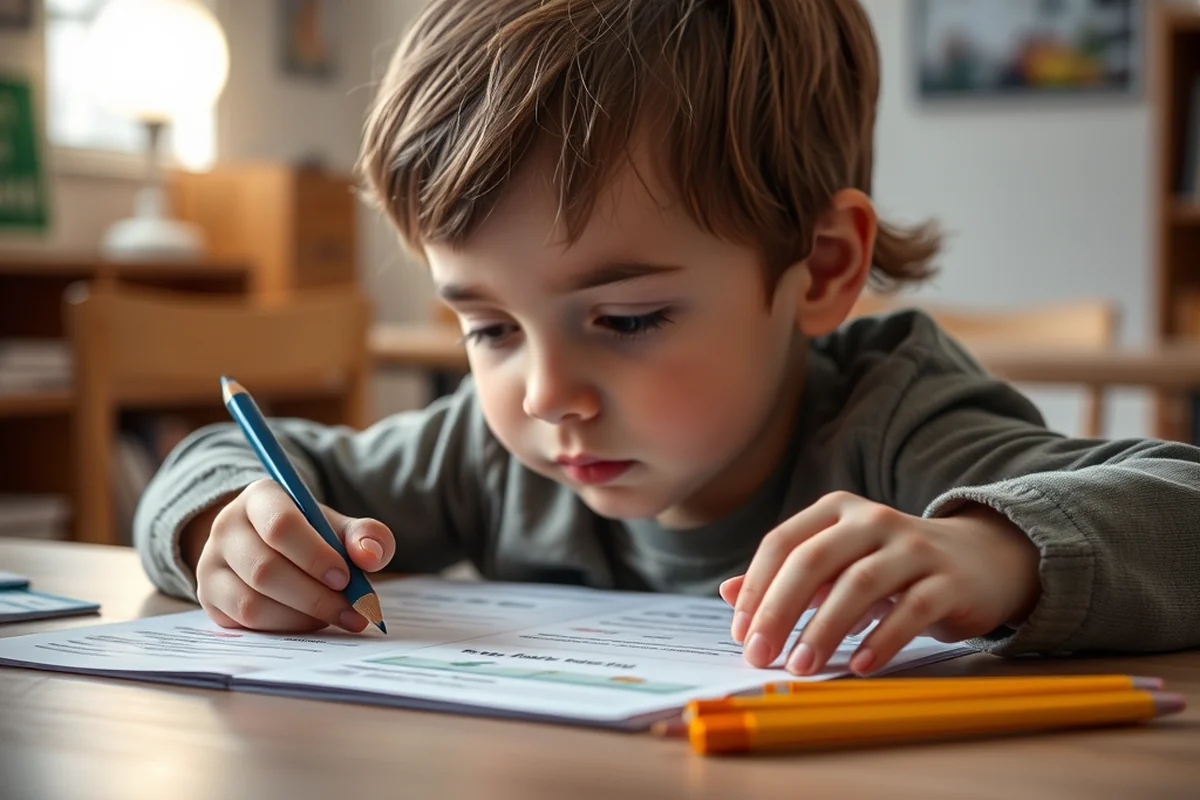
The Human Knot is a classic team-building game that works surprisingly well in classrooms. Students stand in a circle, link arms with two different people, and then try to untangle the group without letting go. I've used this with students as young as 8, and it's always a hit. The physical nature of the game helps break down barriers and encourages laughter, which is essential for building rapport.
What I love about this game is that it doesn't require any materials. It's purely about cooperation and thinking creatively. I've seen students come up with unconventional solutions, like rolling on the floor or using their feet to untangle knots. It's a great reminder that sometimes the most unexpected ideas work best.
One of the biggest lessons I've noticed from this activity is that students learn to listen and compromise. I've had groups where one student initially took charge, but after a few minutes, others started offering suggestions. It's a subtle way to teach leadership and respect for others' ideas.
''The Human Knot is the perfect way to get students moving and thinking together.''
Related: Classroom Teamwork Games Step By Step
Related: Cheap classroom teamwork games
Treasure Hunt Challenge
The Treasure Hunt Challenge is one of the most adaptable games I've used. I set up a series of clues hidden around the classroom or school, and students work in teams to solve them. The clues can be as simple as a riddle or as complex as a math problem. I've used this with both younger and older students, and it's always been a hit. One of my favorite variations was using a scavenger hunt with a twist—students had to work together to find a hidden 'treasure' using only verbal clues.
What makes this game so effective is that it's scalable. For younger students, I use visual clues or picture-based riddles. For older students, I use more complex puzzles that require logical thinking. I've also noticed that students who are more introverted often shine in this activity because they can take on the role of the 'decoder' or 'solver.'
One of the most rewarding moments was when a group of 10-year-olds solved a riddle that had stumped me for days. It showed how teamwork can lead to unexpected breakthroughs. I've also used this game to teach content-specific knowledge, like vocabulary or math facts, and it's been a great way to make learning interactive.[4]
Offering a small reward, like a certificate or a prize, can increase students' motivation to work together. It also helps reinforce the value of teamwork and effort.
“I still remember the first time I tried to get a group of 10-year-olds to collaborate on a project.”— Teaching Teamwork to Students editors
Related: Top Classroom Teamwork Games
The Tower Challenge
The Tower Challenge is a staple in my classroom. Students are given a set of materials—like straws, tape, and paper clips—and they have to build the tallest tower they can in a set amount of time. The goal is to use the materials efficiently and work as a team. I've used this with students as young as 6, and it's always been a great way to teach them about planning and strategy.
What I love about this game is that it's not just about building a tower—it's about how they work together to do it. I've seen students divide tasks, like one person cutting the straws while another tapes them together. It's also a great way to introduce the concept of 'iterative design,' where students test, fail, and improve their designs.
One of the most interesting outcomes of this game was when a group of students decided to build a tower that wasn't just tall but also stable. It showed how teamwork can lead to creative problem-solving. I've also used this game to teach engineering concepts and the importance of planning ahead.
Related: Affordable Classroom Teamwork Games
The Silent Drawing Challenge
The Silent Drawing Challenge is a simple but powerful activity. Students work in pairs or small groups to draw a picture based on a specific theme, like 'a happy family' or 'a space adventure.' The catch? They can't speak, so they have to rely on nonverbal communication, like gestures and facial expressions. I've used this with students as young as 5, and it's always been a hit.
What I love about this game is that it encourages students to think creatively and communicate without words. I've seen students use a wide range of gestures, from pointing to drawing on each other's hands. It's also a great way to build empathy, as students have to rely on each other's interpretations of what they're trying to draw.
One of the most rewarding moments was when a student with limited verbal skills was able to communicate the entire concept of 'a happy family' through drawings and gestures. It showed how this game can help students express themselves in new and meaningful ways.
The Maze Escape Game
The Maze Escape Game is a fun and engaging way to teach teamwork. Students are given a maze map and must work together to escape it by guiding each other through the maze. I've used this with students as young as 8, and it's always been a hit. The maze can be drawn on paper or created using cardboard boxes and string.
What I love about this game is that it's adaptable. I've used it to teach geography by creating a maze that mirrors a real-world map. It's also a great way to reinforce the importance of communication and trust. I've seen students take turns leading the group, which helps build leadership skills.
One of the most rewarding moments was when a group of students who had previously struggled with teamwork came together to solve the maze. It showed how this game can help students overcome challenges and build confidence.
''The Maze Escape Game is the perfect way to get students thinking and working together.''
The Story Chain Game
The Story Chain Game is a great way to teach collaboration and creativity. Students sit in a circle and take turns adding a sentence to a story. The goal is to create a coherent and engaging narrative. I've used this with students as young as 6, and it's always been a hit. The game can be adapted for different age groups and subjects, like science or history.
What I love about this game is that it encourages students to listen and build on each other's ideas. I've seen students take turns leading the story, which helps build confidence and leadership skills. It's also a great way to reinforce the importance of communication and teamwork.
One of the most rewarding moments was when a group of students created a story that was so engaging that the whole class was listening. It showed how this game can help students express themselves and work together in a meaningful way.
🧑🧒 Younger Kids Version
For ages 3-6, use simple, visual clues and large, easy-to-handle materials to build teamwork and communication.
🧑🎓 Older Kids Version
For ages 11-14, incorporate more complex challenges and problem-solving tasks that require critical thinking and collaboration.
🧾 No-Prep Version
Use the classroom environment as a game board with minimal setup, relying on the space and students themselves for the challenge.
👥 Group Version
Incorporate larger groups and multiple teams to encourage inter-group collaboration and competition in a friendly way.
🚀 Extension Version
Add a time limit or a hidden challenge to increase the difficulty and encourage strategic planning and teamwork.
| The mistake | Why it happens | The fix |
|---|---|---|
| Not explaining the rules clearly. | Students get confused or frustrated if the rules aren't clear, leading to chaos and disengagement. | Take time to explain the rules step by step and use visual aids or demonstrations to ensure everyone understands. |
| Letting one student dominate the game. | When one student takes over, others may disengage, and the game loses its collaborative spirit. | Assign specific roles to each student and rotate them frequently to ensure everyone participates. |
| Using too many materials or complex rules. | This can overwhelm younger students and make the game feel inaccessible or too challenging. | Keep materials simple and rules straightforward. Scale up the difficulty as students become more comfortable. |
| Not following up after the game. | Without reflection, students may not learn from the experience, and the benefits of teamwork are lost. | Debrief after each game, discussing what worked and what didn’t. Ask students what they learned and how they can apply it in the future. |
Best Classroom Teamwork Games
Common Questions
How long should each teamwork game last?
What if some students don't want to participate?
Can these games be adapted for remote learning?
How do I ensure fair participation from all students?
References
- Content Spotlight: International Games Day | American English (americanenglish.state.gov)
- Field Day Learning Games (fielddaylab.wisc.edu)
- Effectiveness of Play as a Teaching Strategy in the Early Grades | IES (ies.ed.gov)
- Games - U.S. Mint Coin Classroom (kids.usmint.gov)
Cite this guide
Teaching Teamwork to Students (2026). Best Classroom Teamwork Games. https://teamworkunit.com/best-classroom-teamwork-games/
Feel free to cite or share this guide.